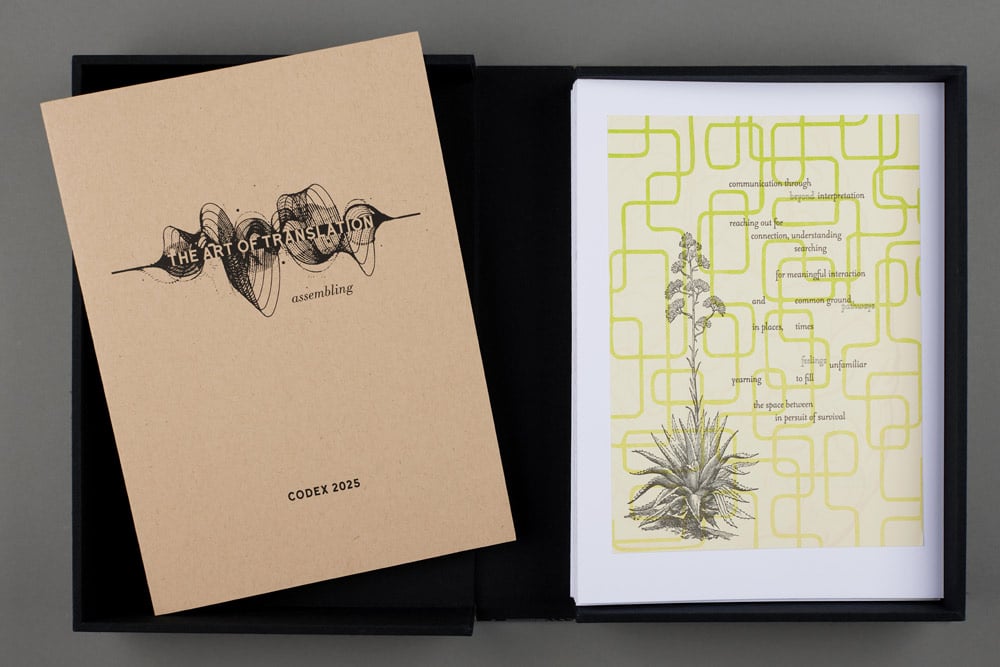
The Art of Translation
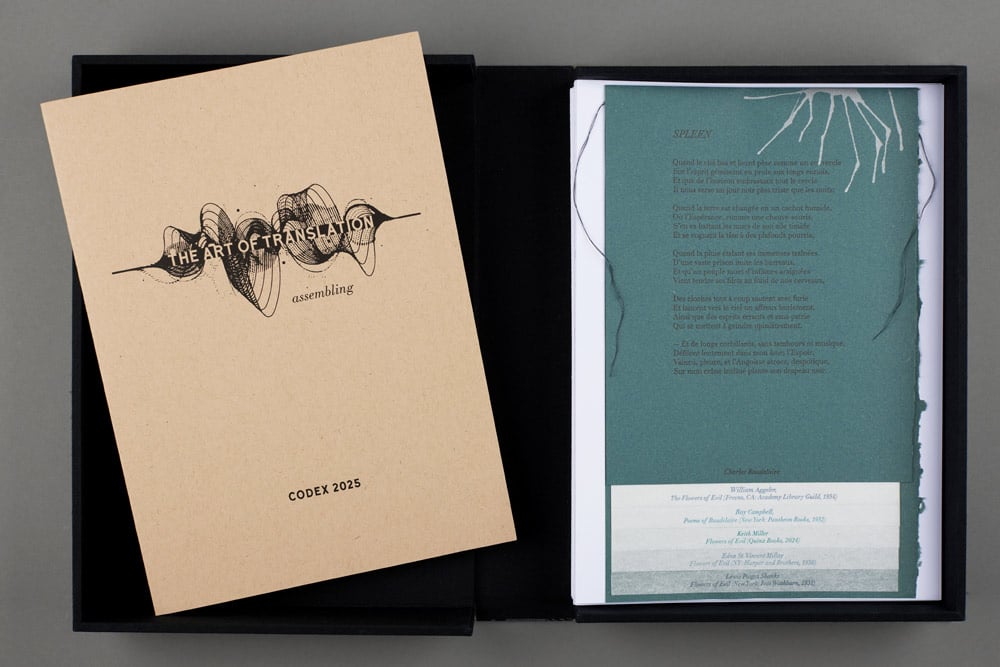
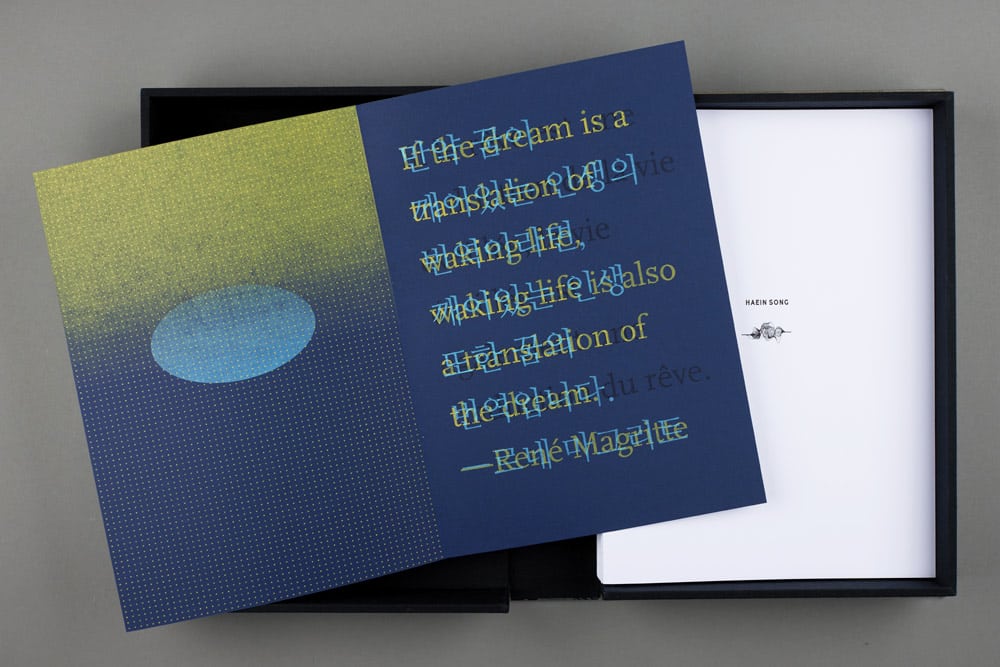
As individuals, we constantly engage in translating the world around us. Collectively, we develop cultural identities based on these translations and interpretations. Naming something solidifies it, allowing us to point to it, call it by name, and unravel its nature together. Artists and writers, in particular, can serve as catalysts for a meaningful life by helping us define our surroundings. By creatively examining how we exist in the world and sharing their insights, they bring meaning to our existence. Their role as translators in this sense, using both textual and visual tools to convey ideas, is profound and worth exploring in our fifth portfolio project.
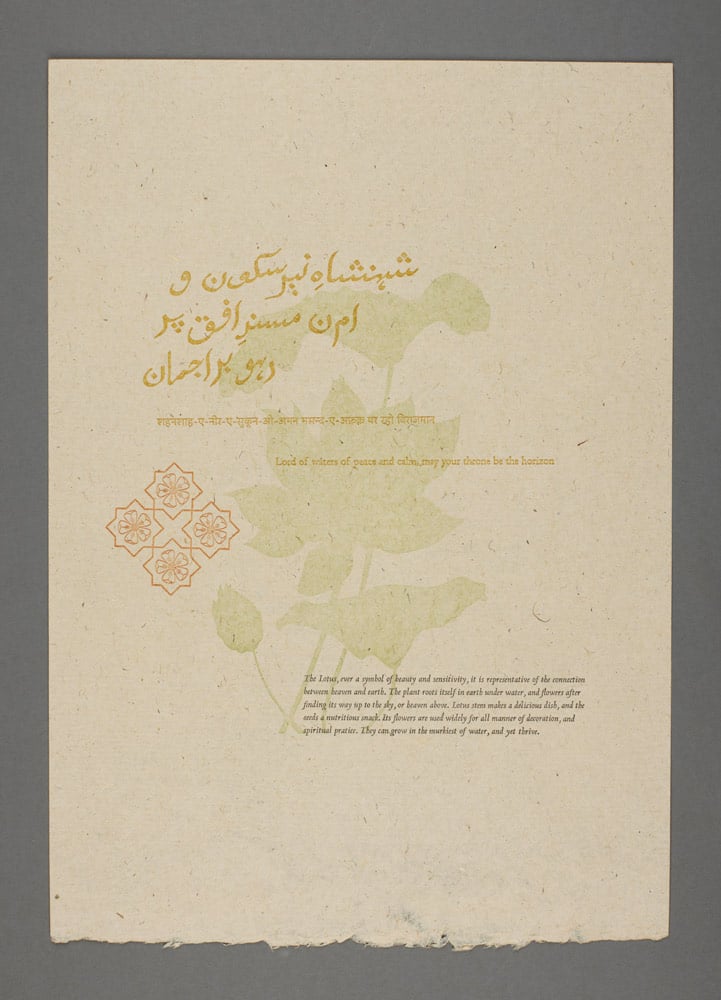
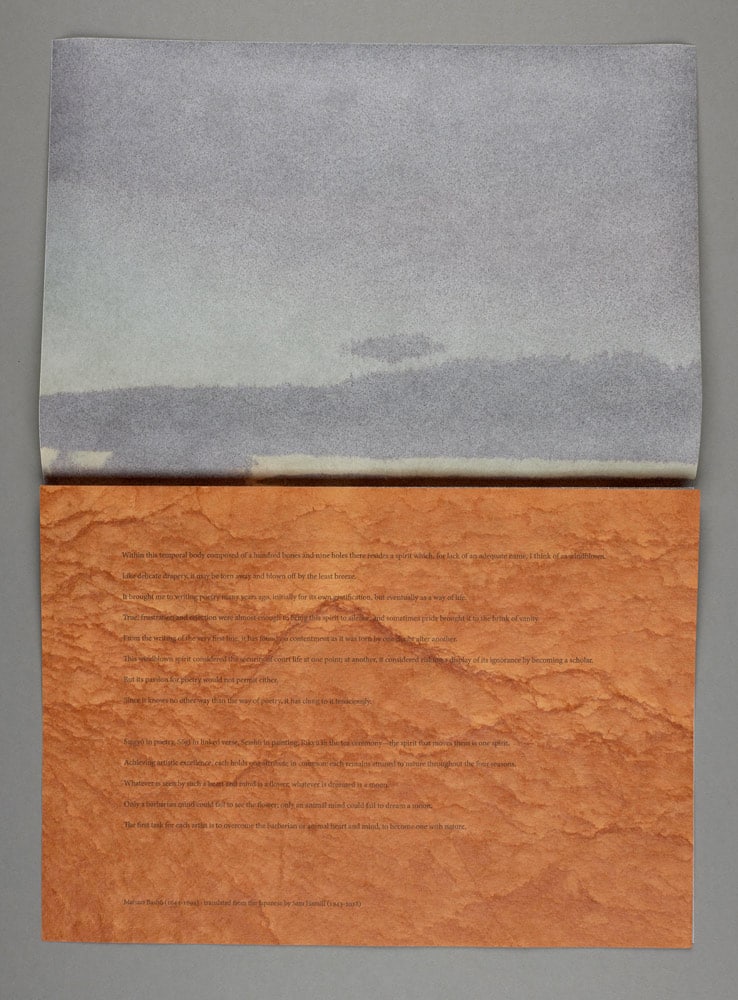
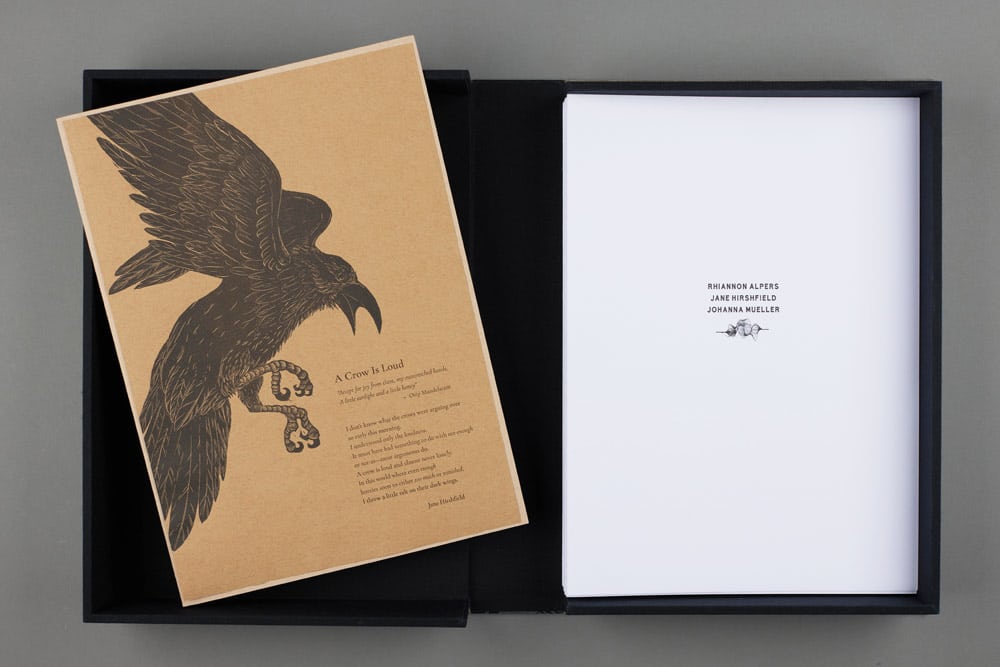
The participants in this Assembly/Exchange Portfolio are interpreters. Many engage with literal translation between languages, and all employ visual strategies and material signification to create a dynamic form of communication that goes beyond text alone. This kind of engagement and thoughtful interpretation between languages and people makes us more curious and compassionate members of society. Our understanding of the world is enriched by viewing it through another’s lens.
There are many ways to approach the theme of the art of translation. A literal translation from one language to another might seem the most straightforward, and some participants in this portfolio start there. However, literal translations are fraught with complexities, as Damion Searls points out in his book The Philosophy of Translation: “No one translates a text—they translate their reading of the text, and everyone has different reading experiences.” Conveying ideas across languages is an intricate, layered process. Language can be direct and definitive but is more often nuanced and layered with implied meanings that are woven into phrases and abstract concepts.
Translation involves more than merely stringing words together, so what is translation? Ursula K. Le Guin reflects on this topic by saying:
Translation is entirely mysterious. Increasingly, I have felt that the art of writing is itself translating, or more like translating than it is like anything else. What is the other text, the original? I have no answer. I suppose it is the source, the deep sea where ideas swim, and one catches them in nets of words and swings them shining into the boat … where in this metaphor they die and get canned and eaten in sandwiches.
We don’t translate words, we translate uses (according to Searls), so perhaps “accurate” or “faithful” translations are not the goal. It may be instead an attempt to capture an idea and its unique cultural context and re-present it in another language and to another culture, while considering its original distinct attributes like rhyming, rhythm, and sound.
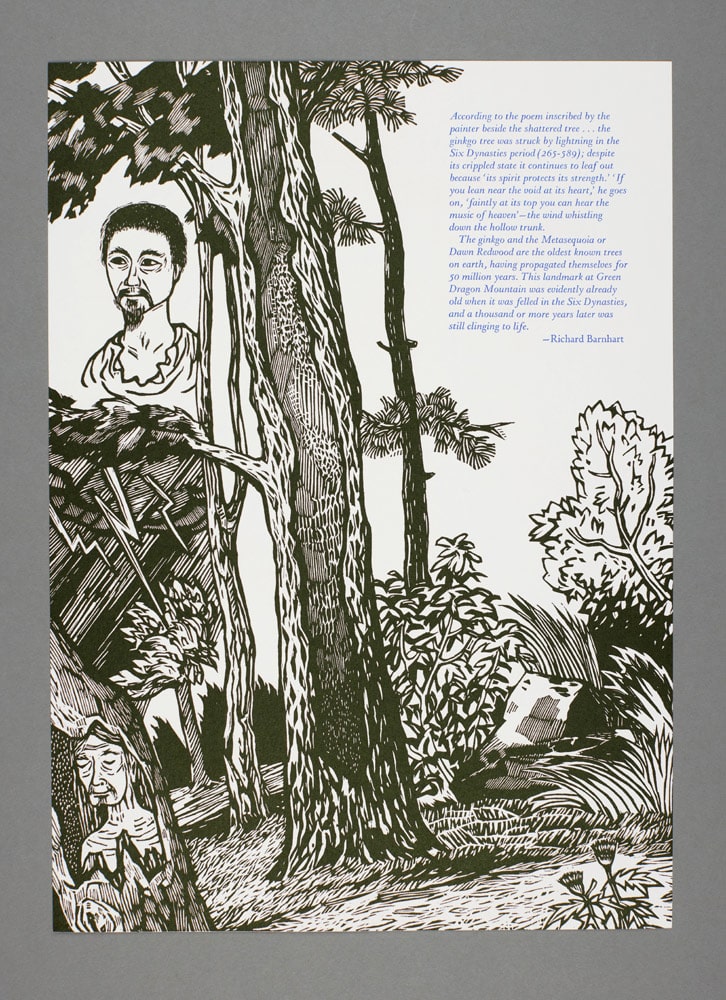
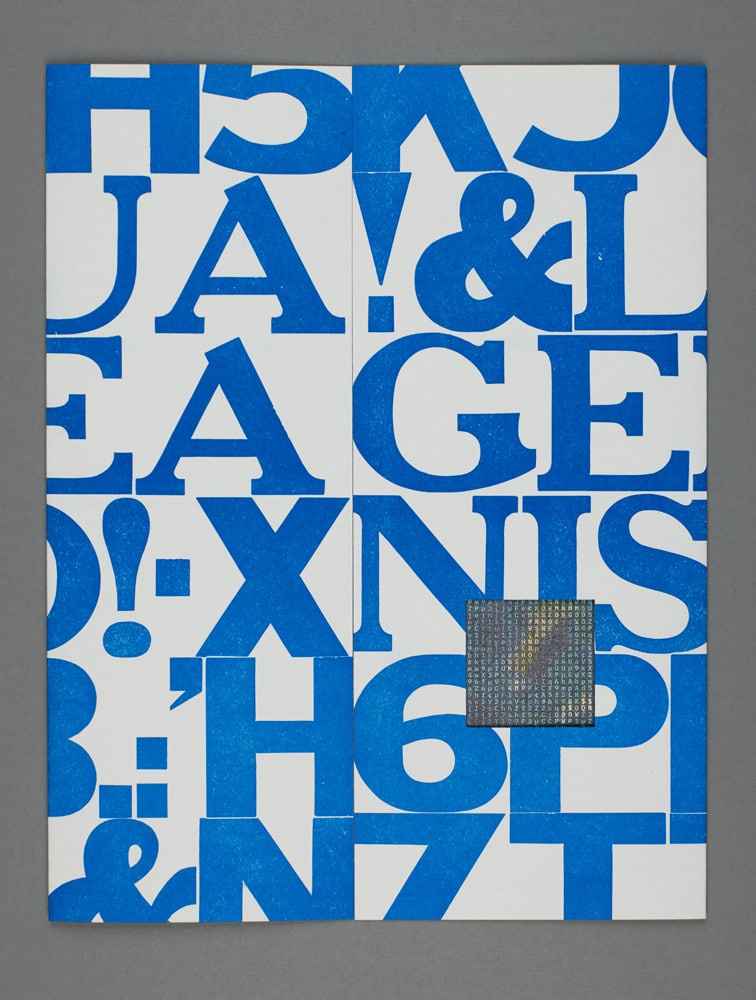
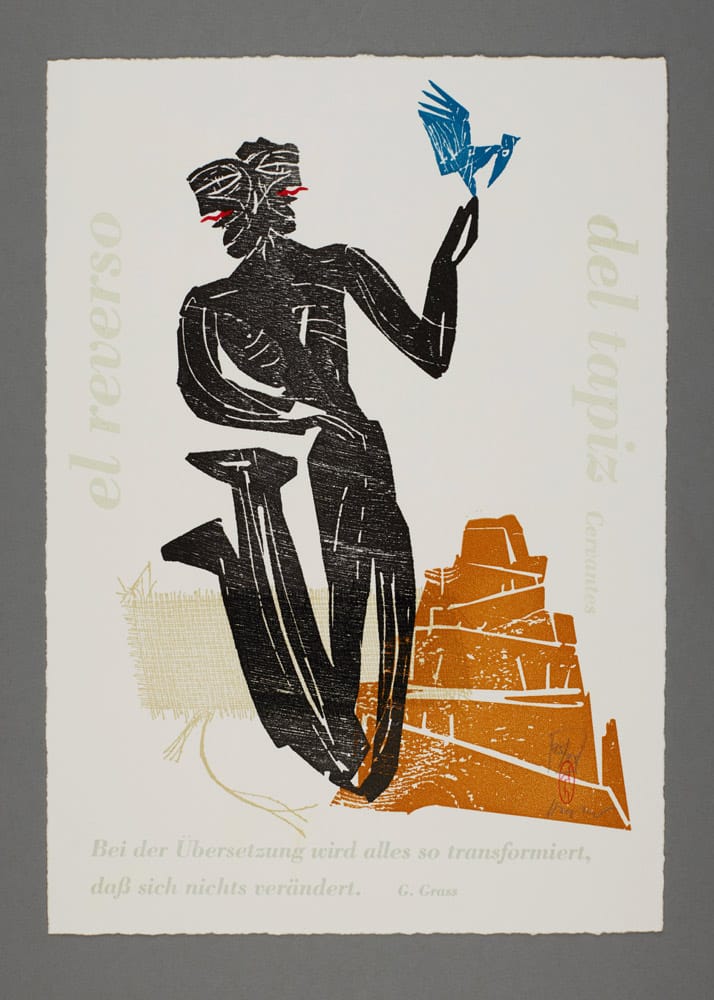
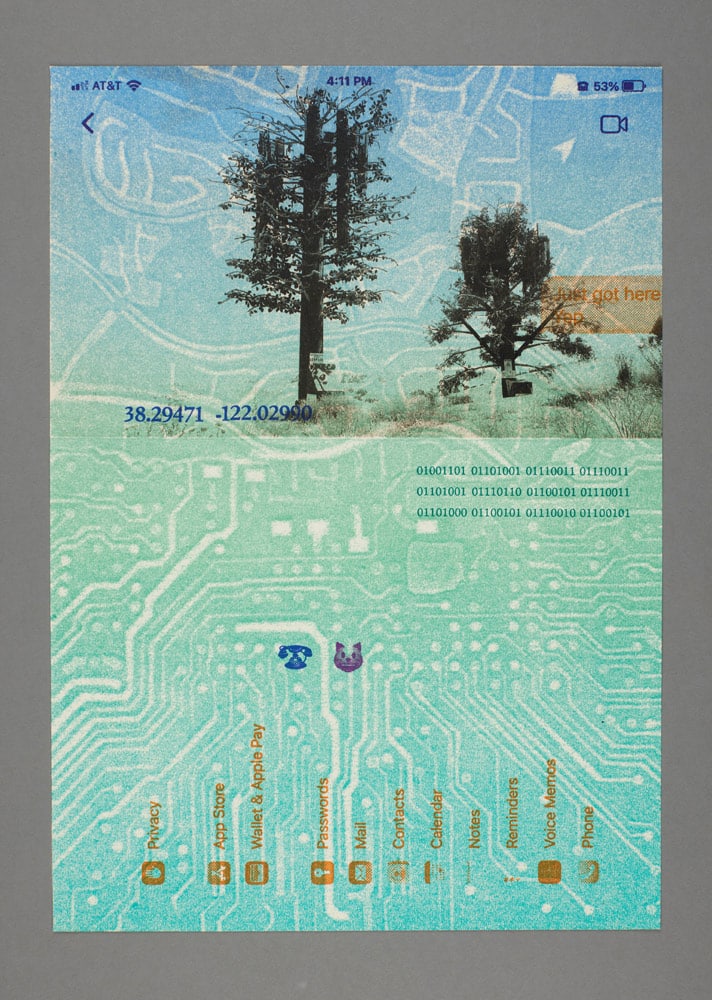
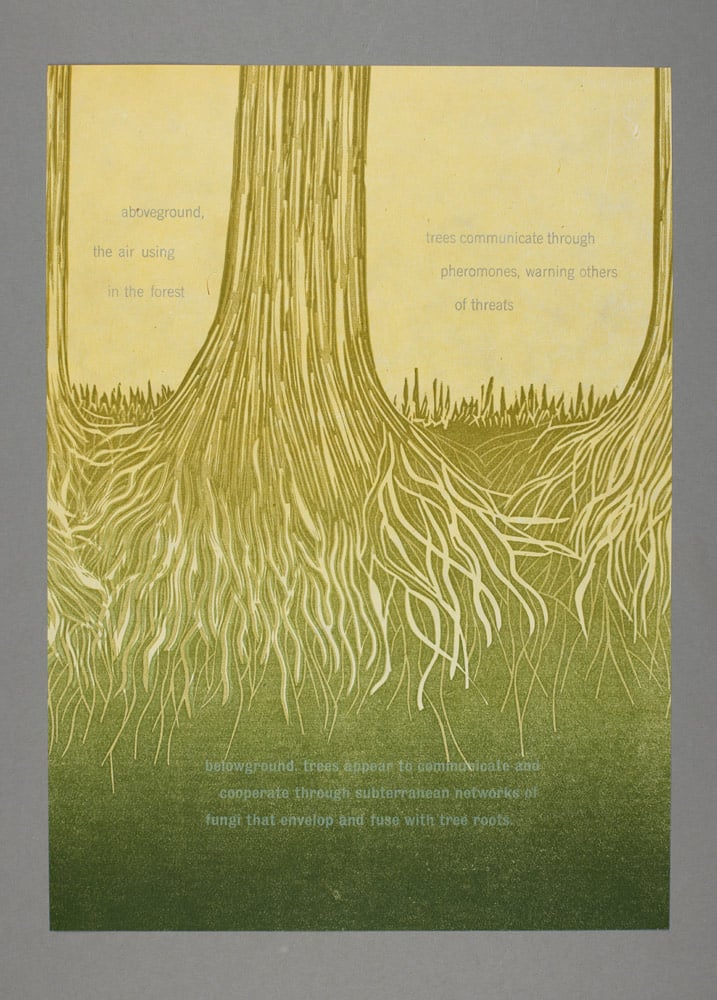
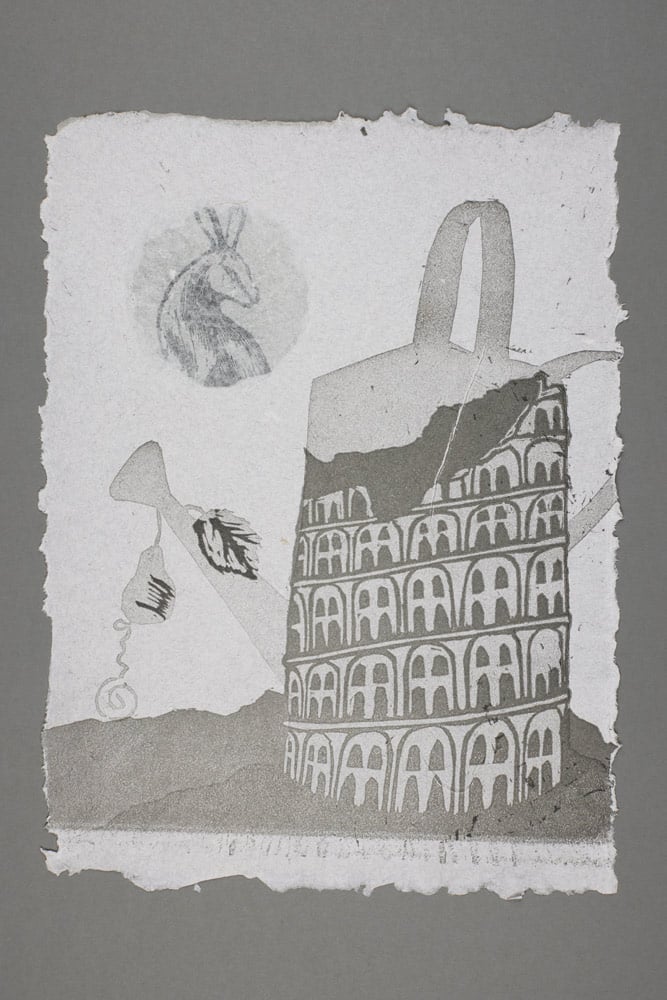
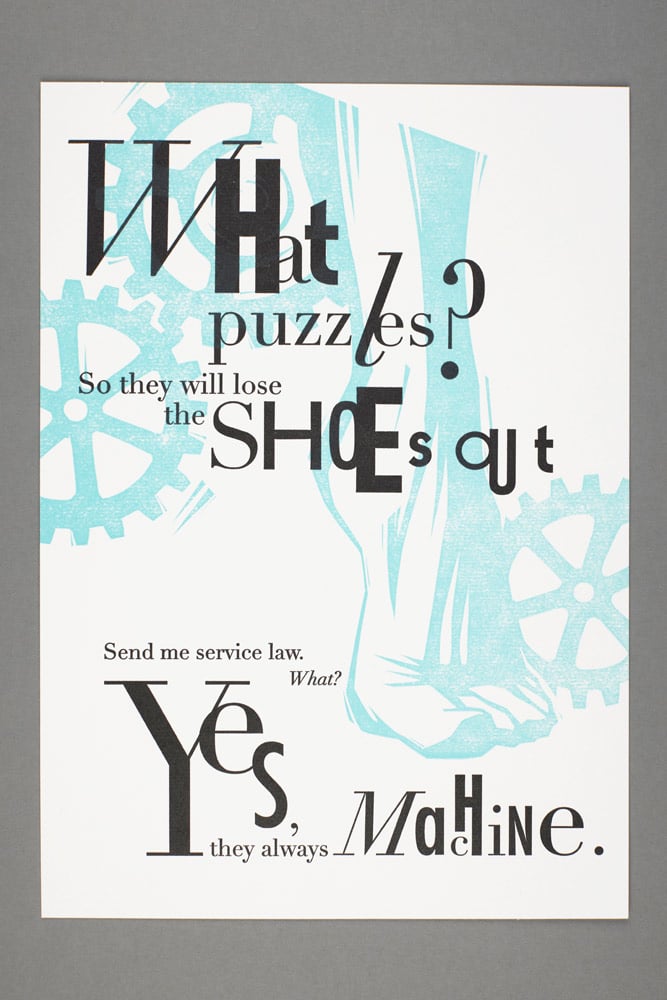
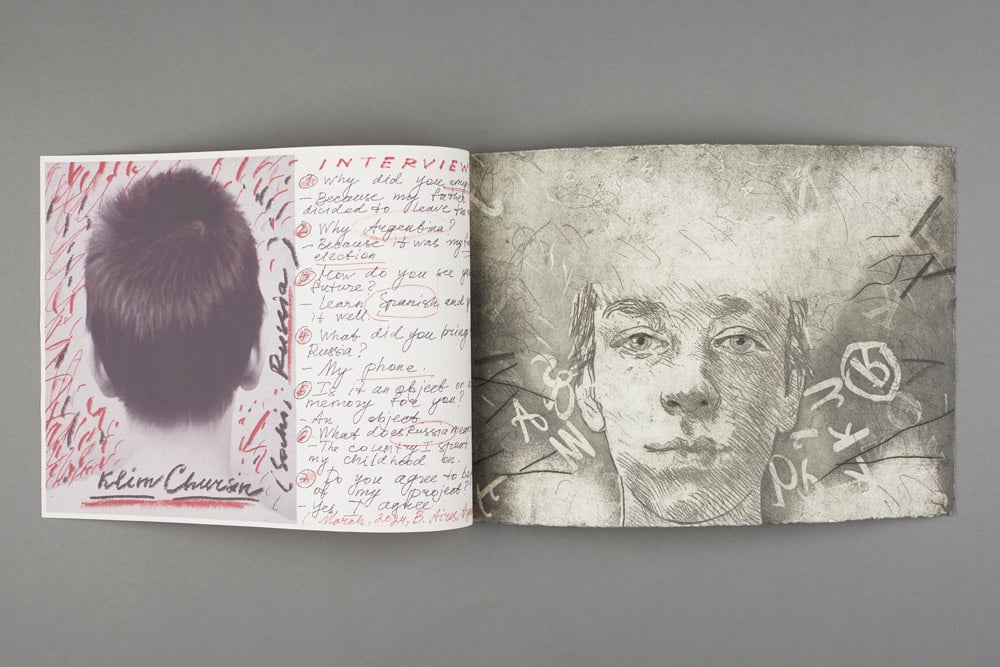
Another approach taken in this portfolio of broadsides and prints reflects an intentional, creative turn away from any kind of literal translation. These translations converse with their original sources while simultaneously evolving into something entirely distinct. Those thinking about translation in a non-literal way explore the idea of translation itself in the broadest sense. So, we see the full spectrum between literal translation, creative reinterpretation, and novel approaches to the idea of translation here. A fine press printer may craft an elegant environment for the text to inhabit. At the same time, someone with an artist’s book approach may intervene more overtly, or even engage with the theme in an entirely unorthodox way. Translation of all kinds can inspire dynamic cultural dialogues. At its worst, translation can distort or erase cultural narratives and histories; at its best, it bridges people and cultures, fostering understanding, creativity, and innovation.
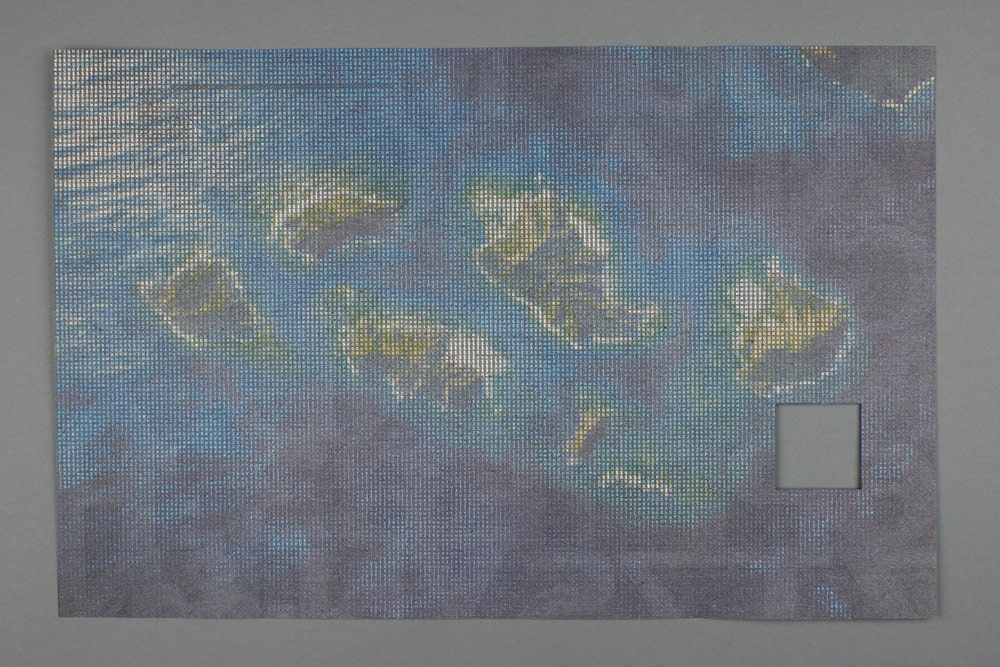
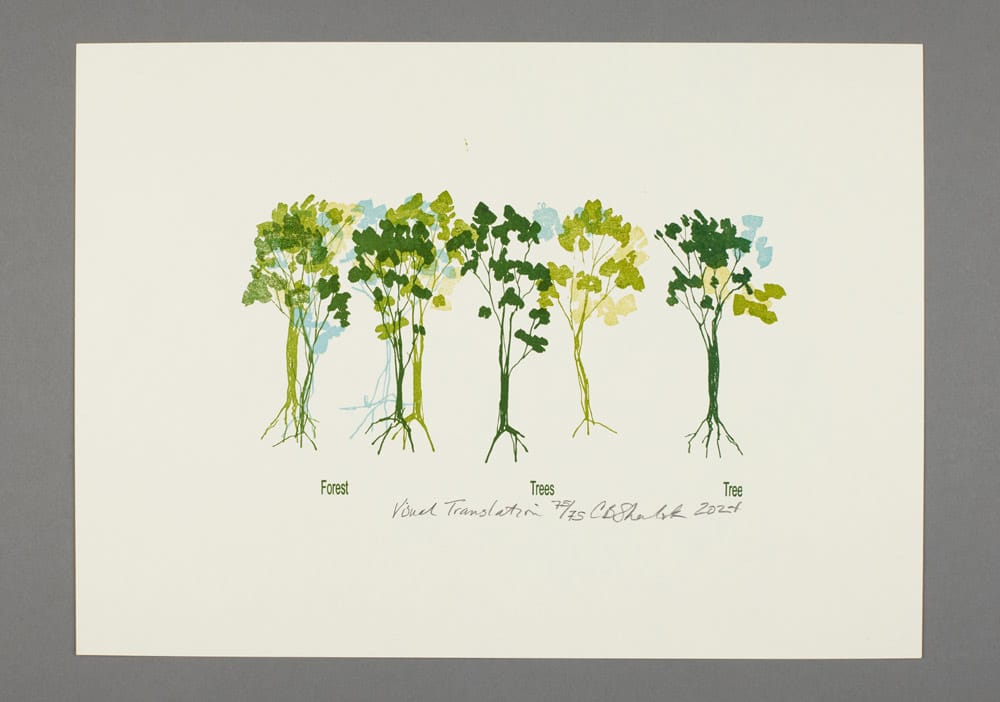
One thing is certain: translation extends beyond words for many visual artists and designers. Their design choices contribute to the reading experience and mediate between content, language, materials, and processes to capture the spirit of the original text. Some artists in this portfolio take an even broader approach, viewing translation as a kind of transformation—a more thorough change in substance, form, or appearance. French philosopher Paul Ricoeur’s concept of hermeneutics as the “art of deciphering indirect meaning” emphasizes that “the meaning of Being is always mediated through an endless process of interpretations—cultural, religious, political, historical, and scientific.” In this sense, translation is not merely about words but ideas contextualized within cultural constructs. This way of considering translation can push one’s ideas into the realm of metaphor and metamorphosis, as powerfully demonstrated by several works in this portfolio.
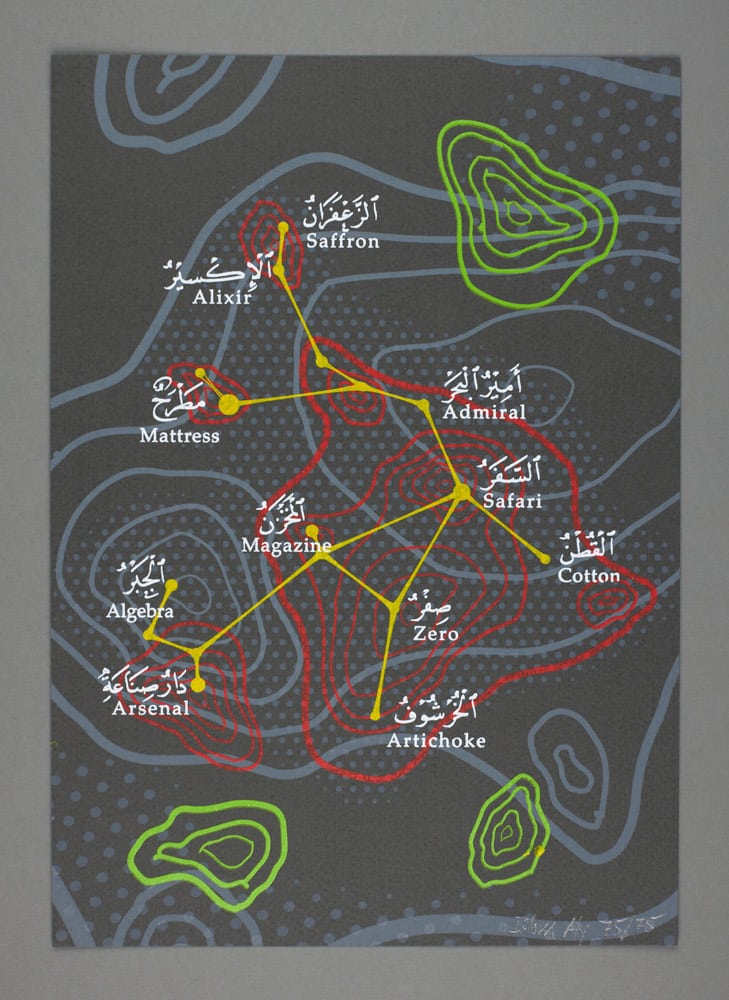
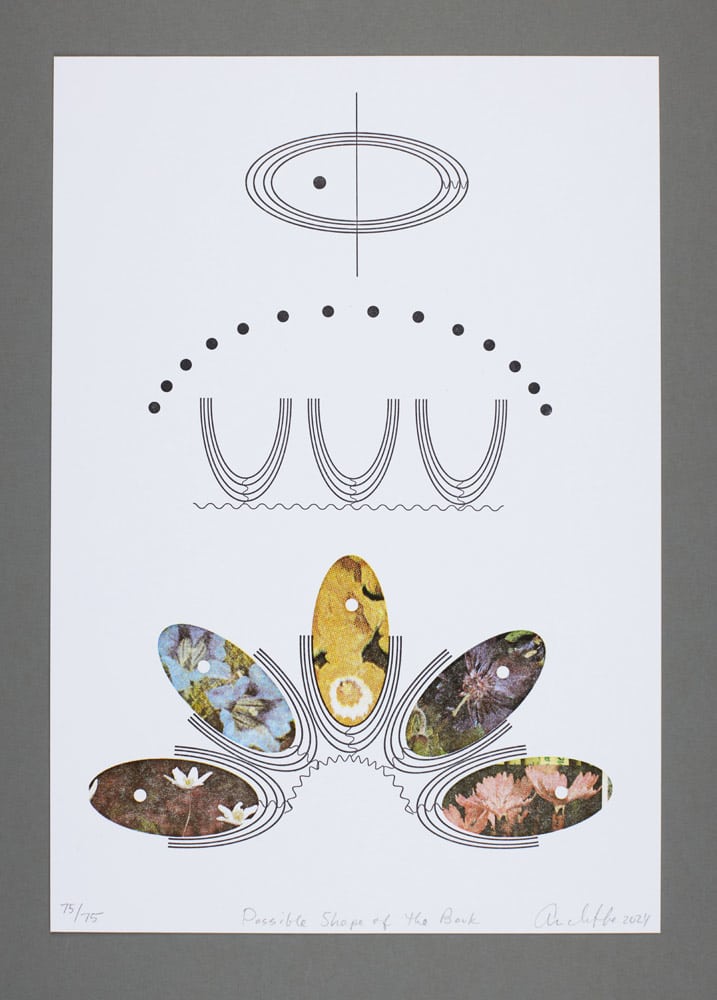
Although the prints and broadsides seen here explore translation in different ways, they all engage with material translation at the core of their craft. They skillfully use materials and techniques to transform texts into poetic objects, creating conceptual environments that embody and expand the reading experience. These stunning and original works invite you to contemplate the art of translation in profound and unexpected ways.
Inge Bruggeman, Executive Director, The CODEX Foundation